
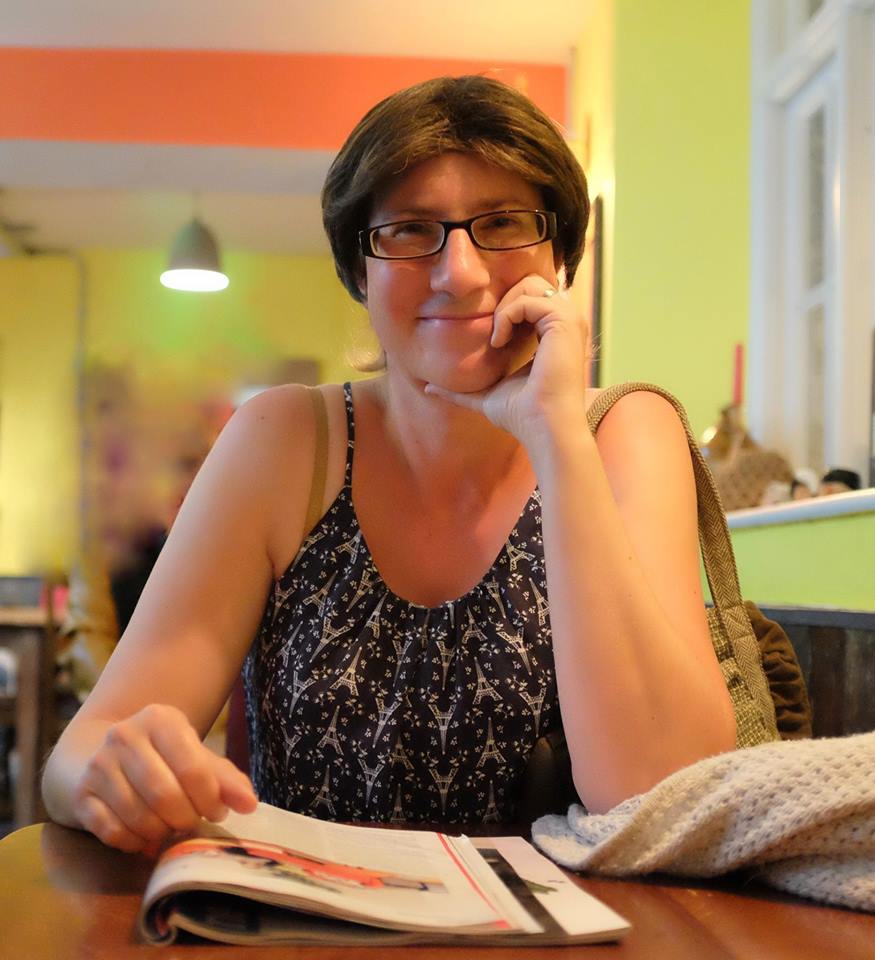
Tanya-Jayne Park is the creator of the Be a Trans Ally substack, a practical resource for trans people and allies who want to confidently, clearly, and carefully push back against Gender Critical talking points and stand up for trans rights. This Substack publishes toolkits, actions, deep dives, news, and there’s a podcast too.
If you’re looking for a resource to help you develop your understanding, so that you can be an effective ally to your trans friends and the trans community, this is the place to start. The Substack is written in a thoughtful, easy-to-understand language that goes beyond education and information, to providing practical advice. For example, the ‘Creating Safe Spaces’ article really challenged me to question whether the spaces that I, as a cis woman, assume are safe for everyone, really are safe for trans and non-binary people. Also, I imagine this article would be helpful for anyone who has a venue and wants to create a safe space.
Tanya very kindly offered to answer some questions for me about herself and her work.
What initially inspired you to dedicate your time to developing this comprehensive toolkit, and how has your understanding evolved since you began this journey?
After the Supreme Court decision in April, a couple of cis women who knew me as their local [Lib Dem] councillor and who also knew I was trans reached out to ask what they could do to support trans people. They genuinely wanted to help but didn’t know where to start. The answers I gave them became a Facebook post, and that post really seemed to resonate. It made me realise there was a wider need: practical, accessible information for people who cared but weren’t sure how to act.
In many ways, creating Be A Trans Ally has helped me as much as it’s helped others. I’ve always admired the incredible work of trans activists who really know their stuff. For a long time, I didn’t think my voice added much. I thought simply being one of the few openly trans local politicians was enough. That visibility matters, of course, but I came to see that it wasn’t the whole picture.
We’re such a small minority, less than half a percent of the population, that we can’t do this alone. If we want change, we need more people who aren’t trans to stand beside us, to speak up, and to act. Be A Trans Ally is about helping those people feel ready and able to do just that.
How can individuals best translate the knowledge they have gained from your content into meaningful allyship?
Allyship isn’t just about knowing the right things, it’s about what you do with that knowledge. If something from Be A Trans Ally sticks with a reader and they take it into their everyday life – calling things out, backing people up, sharing what they’ve learned – then I’d feel like it was all worth it. Small, steady actions really do add up.
In your article ‘Amplifying Trans Voices: Effective Allyship on Social Media’, you speak about boosting trans-led content. Who is your favourite trans creator and why?
One of my favourite trans creators is Abigail Thorn. Through her Philosophy Tube YouTube channel, she’s made philosophy accessible, political, and deeply personal, using theatre and storytelling to explore everything from identity to justice. Her coming-out video was brave and brilliant, and she’s continued to bring trans voices into mainstream spaces – on stage, online, and now in film and television.
For those who are new to allyship, what would be your top piece of advice for navigating potential discomfort or fear of making mistakes while striving to be a good ally?
If you’re new to allyship, the most important thing is to show up and speak up. It might feel awkward at first, but trans and non-binary people notice who’s willing to stand with us. You don’t need to have perfect words. Just let people know you care, that you’re listening, and that you won’t stay silent when it matters. Courage grows with practice, and your voice can make a real difference.
LOUD WOMEN’s audience tend to be people who really love music. How can the principles and resources in the ‘Be A Trans Ally’ toolkit help existing music communities (e.g., band members, venue staff, fan groups) become more actively and visibly trans-inclusive?
Whether you’re in a band, running a venue, or a music-loving party animal, it starts with getting clued up and learning about trans lives and the challenges we face. Then it’s about putting that into action: using pronouns, booking or supporting trans artists, making spaces visibly welcoming, and calling out transphobia when you see it. You don’t have to get everything perfect, but showing you care and making that care visible goes a long way.
Sign up to the Be a Trans Ally substack and follow Tanya on Bluesky