
‘We deserve better songs than any boy will ever write about us’ – Jessica Hopper
I recently put together a radio show for LOUD WOMEN, amplifying women in emo, scene and pop punk genres, and found the process harder than I thought I would. What I found, when first sitting down and scrolling through my endless stream of playlists, was that I, myself, lacked female voices on those playlists. As a long-time passionate feminist, I had to ask myself why that was.
The thing is, emo started out very differently to the cultural phenomenon we know it to be now. It evolved out of its traditional form ‘emotional hardcore’ in D.C in the late 80s- mid 90s.
Emotional hardcore came from the aggressive, politically charged music of punk rock, and sort of saying:
But what if it was all about how sad I am instead 🙁
No surprise that this concept appealed to a lot of men, and bands like Title Fight and Fugazi exploded and are now considered part of first wave emo. Emotional Hardcore continued in DIY punk spaces and scenes that were typically made up of a lot of men, planting the first roots for what would be an inherent problem running throughout the emo and pop punk scene.
Emo quickly evolved into a subculture spanning across the youth of the 2000s online, and its misogynist roots remained, despite there now being a lot more women in the crowds. Emo was about emotion, it was about being in touch with your feelings, and accepting feelings of sadness and depression and being vocal about that, so it appealed to lots of people from completely different walks of life, especially a lot of young women, but they were rarely put on the stage.
I myself, when putting the radio show together, had to confront the sad truth of the lack of women in core bands for the scene. Culturally, there was always a ‘Holy Trinity’ Of bands in mainstream emo, that consisted of My Chemical Romance, Fall Out Boy, and Panic! At The Disco. I’ve seen elder emos on social media in recent years, asking each other why Paramore were never considered, as they were just as popular and arguably more integral to the genre than a band like Panic. The answer was something that we, as angsty 14 year old girls, were yet to experience.
The core of emo, was always the heartbreak song. A teenage boy’s diary. A wronged man, left broken by the classic femme fatale, pouring his heart out on stage. There was always a romantic notion to this when I was younger, I viewed it as gender defying, because, I too, felt sad and angsty, and here was someone to speak for me. What I never realised was that they were never singing for me. They were singing about me, my best friends, my sister, and all young women. We were the target of the angst and anger. It was never considered that young women were going through the same emotional turmoil.
The changing landscapes of time has called for recognition, and in recent years there has been a slow reckoning. The women that grew up in the crowds are stepping onto the stage. Festivals are no longer allowed to get away with putting one token female fronted band on a line up, and women that grew up in the scene are making music about the toxic environment cultivated.
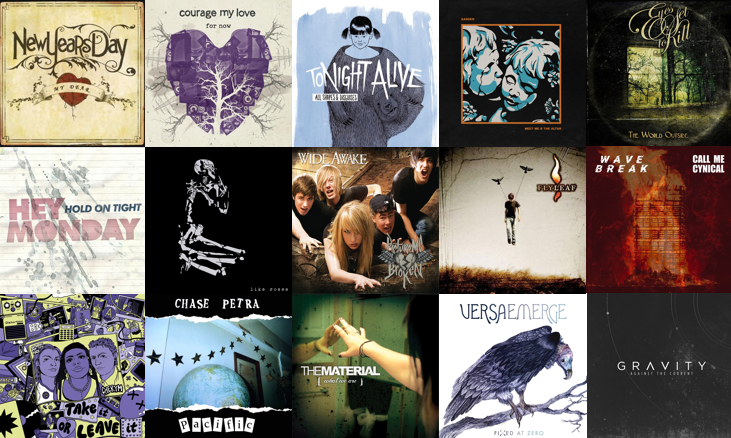
CHERYM, A pop punk trio from Northern Ireland, are making music about the female and non-binary experience. Their 2024 album ‘Take It Or Leave It’ featured songs about incel culture, falling in love with girls, and being gender neutral.
Like Roses, a Bay area pop punk band are making classic third wave pop punk, but coming from female voices.
There are so many more examples of bands like this that are slowly up and coming in the scene, and that is why I chose to amplify them for my radio show.
I cant wait to see many more of them, and I’m so grateful to be part of something like LOUD WOMEN that helps to put more of these women on the stage.
If you’d like to read more about this, Jessica Hopper has a fantastic excerpt on women’s place in emo from her book ‘The First Collection of Criticism by a Living Female Rock Critic.‘ You can read her excerpt on emo here: Emo: Where The Girls Aren’t